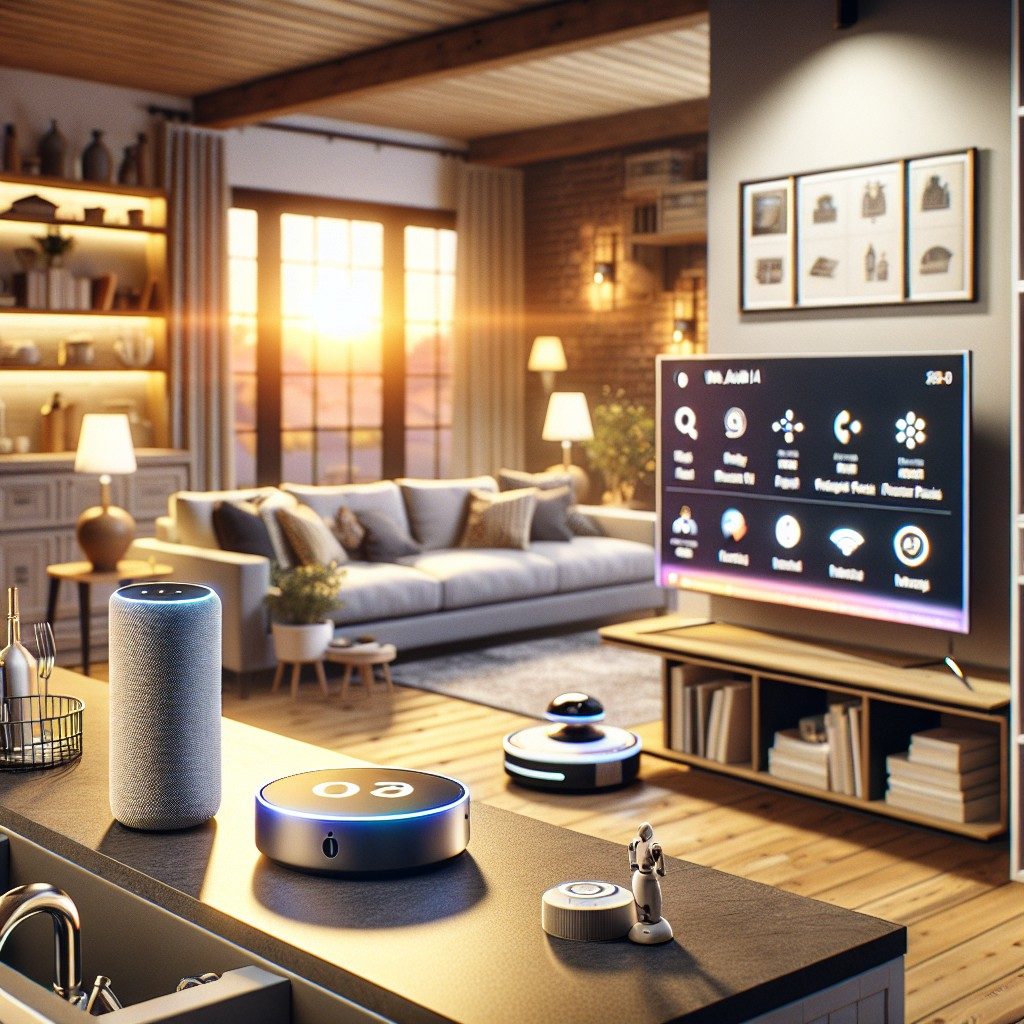
Businesses across the globe are increasingly incorporating AI technology into their daily operations, with AI assistants taking center stage as vital tools for enhancing workplace productivity. This integration is reshaping how teams function and collaborate, offering measurable benefits in efficiency and task management.
The growing presence of AI assistants in the workplace
Over the past few years, AI assistants have transitioned from experimental novelties to essential workplace assets. These digital tools, powered by natural language processing and machine learning, assist employees by automating repetitive tasks, managing schedules, and providing real-time information. Organizations report that AI assistants help reduce the administrative burden, allowing staff to focus on strategic and creative activities.
How AI assistants are changing team workflows
Teams using AI assistants notice a significant shift in their workflows. Scheduling meetings, coordinating across time zones, and summarizing lengthy documents are streamlined with AI support, resulting in smoother communication and faster decision-making processes. Furthermore, these assistants help maintain consistent follow-ups and track project progress, improving overall team coordination without adding complexity.
Measurable impacts on productivity metrics
Recent industry studies have quantified the effects of AI assistants on workplace productivity. For example, companies implementing AI-powered scheduling and communication tools documented a reduction of up to 20% in time spent on organizing meetings. Additionally, tasks like data entry and report generation have seen time savings exceeding 30%, highlighting how AI assistants can effectively manage routine processes that consume valuable employee hours.
Challenges and considerations in adopting AI assistants
While the benefits are evident, integrating AI assistants is not without challenges. Data privacy concerns and the need for employee training are common considerations. Companies must ensure that AI systems comply with security standards and that staff members understand how to interact with these tools effectively. Balancing automation with human oversight is critical to maintaining quality and trust within teams.
The future outlook for AI assistants in professional environments
Looking ahead, the role of AI assistants is expected to deepen as technology advances. Enhanced capabilities in context understanding, personalized support, and integration across multiple platforms will further embed AI assistants into everyday work life. Organizations investing in these technologies are likely to experience sustained productivity gains and improved employee satisfaction as AI becomes an intrinsic part of their work ecosystem.
Frequently Asked Questions about AI assistants
What are AI assistants and how do they function in the workplace?
AI assistants are software programs that use artificial intelligence to perform tasks such as scheduling, data analysis, and communication support. They function by interpreting user input and automating routine processes to improve workplace efficiency.
How widely are AI assistants being adopted by teams globally?
Adoption varies by industry and region, but AI assistants are increasingly common in sectors like finance, technology, and customer service, with many organizations worldwide integrating them to optimize operations.
Can AI assistants improve team productivity significantly?
Yes, AI assistants have been shown to save time on administrative tasks and enhance workflow coordination, which contributes to measurable improvements in productivity across different teams.
Are there privacy concerns when using AI assistants at work?
Privacy and data security are important considerations; organizations must implement proper safeguards and ensure compliance with regulations to protect sensitive information handled by AI assistants.
What are the main challenges teams face when implementing AI assistants?
Challenges include training employees to use the assistants effectively, addressing security concerns, and balancing automation with human oversight to maintain quality and trust.