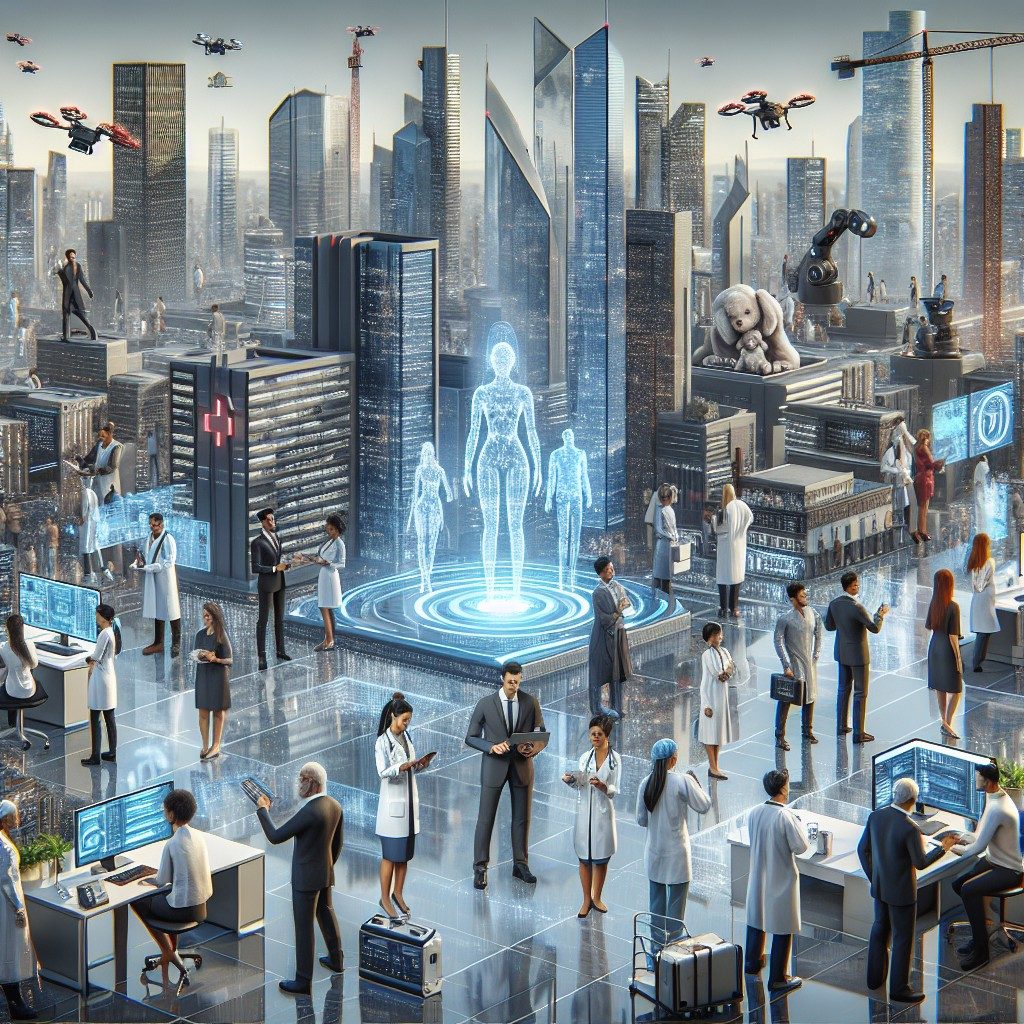
As companies and economies worldwide prepare for future challenges, Employment Statistics provide critical insight into trends shaping the workforce landscape. Recent studies indicate a significant shift expected by 2026, revealing key insights into job creation, industry demands, and the evolving skill set requirements.
Projected Job Growth Across Key Industries
According to the latest data, healthcare and technology sectors are poised for the most robust job growth by 2026. The U.S. Bureau of Labor Statistics indicates that jobs in healthcare will expand by approximately 15%, driven by increasing demand for medical professionals and home health aides. Furthermore, the technology sector is expected to see an increase in positions related to artificial intelligence and cybersecurity, with job openings anticipated to rise by 11%. These shifts are primarily attributed to an aging population and the rapid advancement of technology, highlighting the areas where employment opportunities will flourish.
Emerging Trends in Employment Policies
As the job market prepares for future transformations, several emerging trends in employment policies are becoming prevalent. Companies are increasingly prioritizing flexible work arrangements, recognizing the benefits of remote work as a means to attract and retain talent. According to Employment Statistics reports, organizations that offer hybrid or fully remote options are likely to see a 25% increase in job applications by 2026. Additionally, there is a growing emphasis on diversity and inclusion initiatives, which not only comply with regulations but also enhance company culture and performance metrics.
The Skills Gap: Preparing for the Future Workforce
With the changing employment landscape, the skills gap poses a significant challenge for workers and employers alike. Data indicates that many current employees may lack the necessary skills to secure in-demand positions in emerging industries. A report by the World Economic Forum emphasizes the urgent need for upskilling and reskilling, with projections showing that by 2026, nearly 50% of employees will need to enhance their digital literacy. Companies are expected to invest heavily in training to address these gaps, ensuring their workforce is equipped to meet future demands.
Frequently Asked Questions about Employment Statistics
What are Employment Statistics?
Employment Statistics refer to data sets that capture various aspects of labor markets, including employment rates, job growth, and industry demand.
How do Employment Statistics impact job seekers?
Employment Statistics influence job seekers by providing insights into which industries are growing, allowing candidates to align their skills and job applications with market demands.
Where can I find reliable Employment Statistics?
Reliable Employment Statistics can be found through organizations like the U.S. Bureau of Labor Statistics and similar international labor organizations.
Why are Employment Statistics important for businesses?
Business leaders use Employment Statistics to make informed decisions on hiring, workforce planning, and to develop strategies that align with market trends.
How often are Employment Statistics updated?
Employment Statistics are typically updated on a monthly or quarterly basis, reflecting the latest economic conditions and labor market trends.